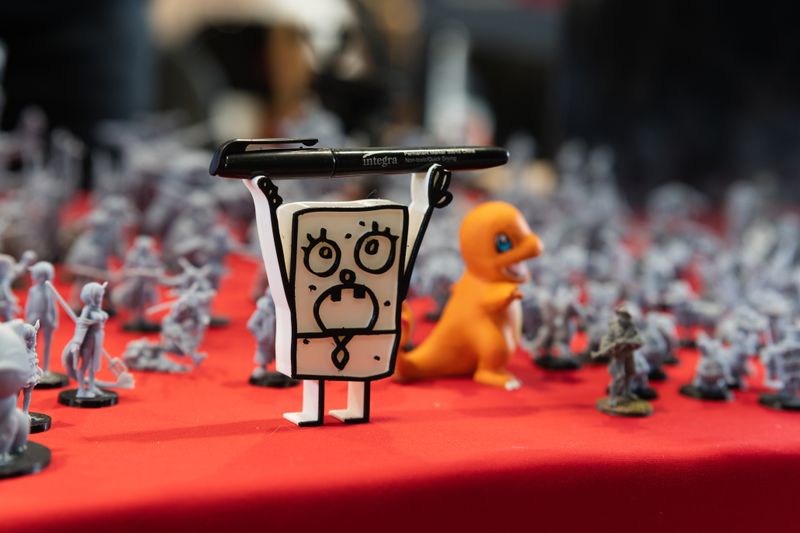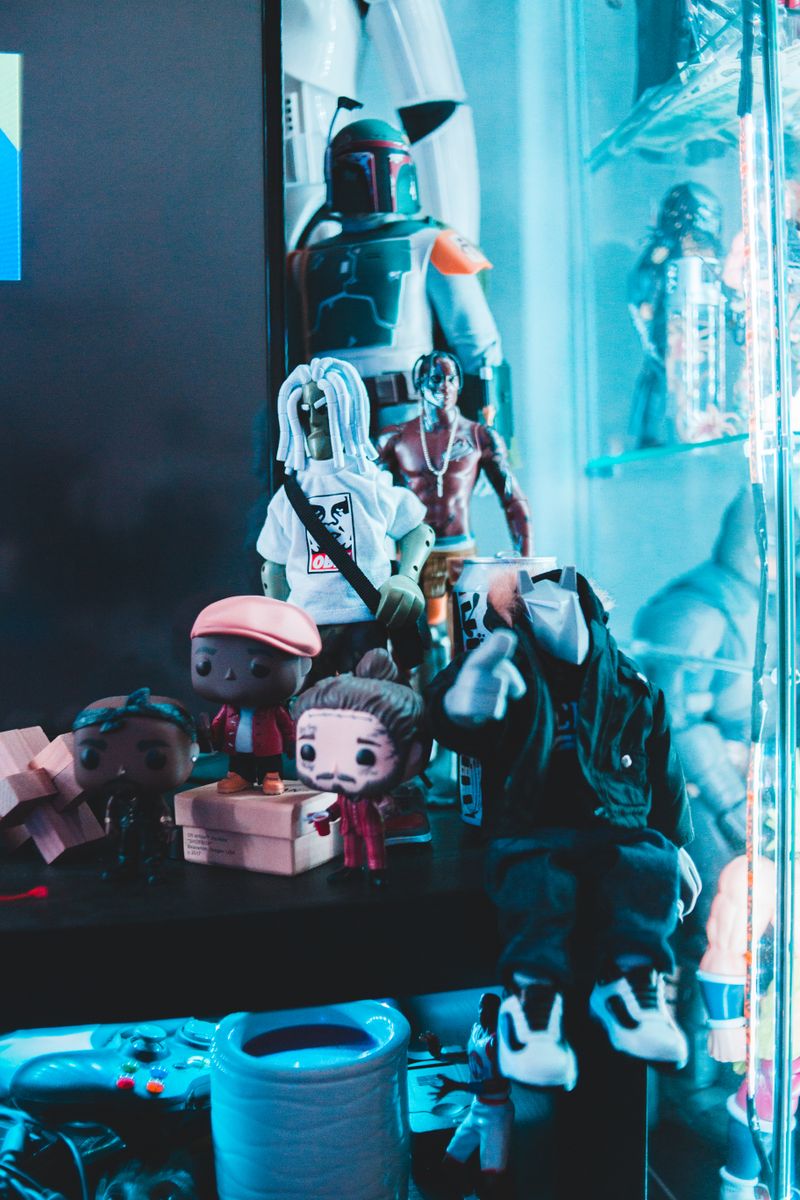
The art toy design process transforms a two-dimensional character concept into a physical, collectible figure through five core stages: concept sketching, digital or hand sculpting, mold making, casting, and hand-finishing. Independent artists and studios like BaiChaoHui follow this pipeline to create limited-edition designer toys that balance artistic vision with production feasibility. Understanding each stage helps collectors appreciate the craftsmanship behind every piece on their shelf.
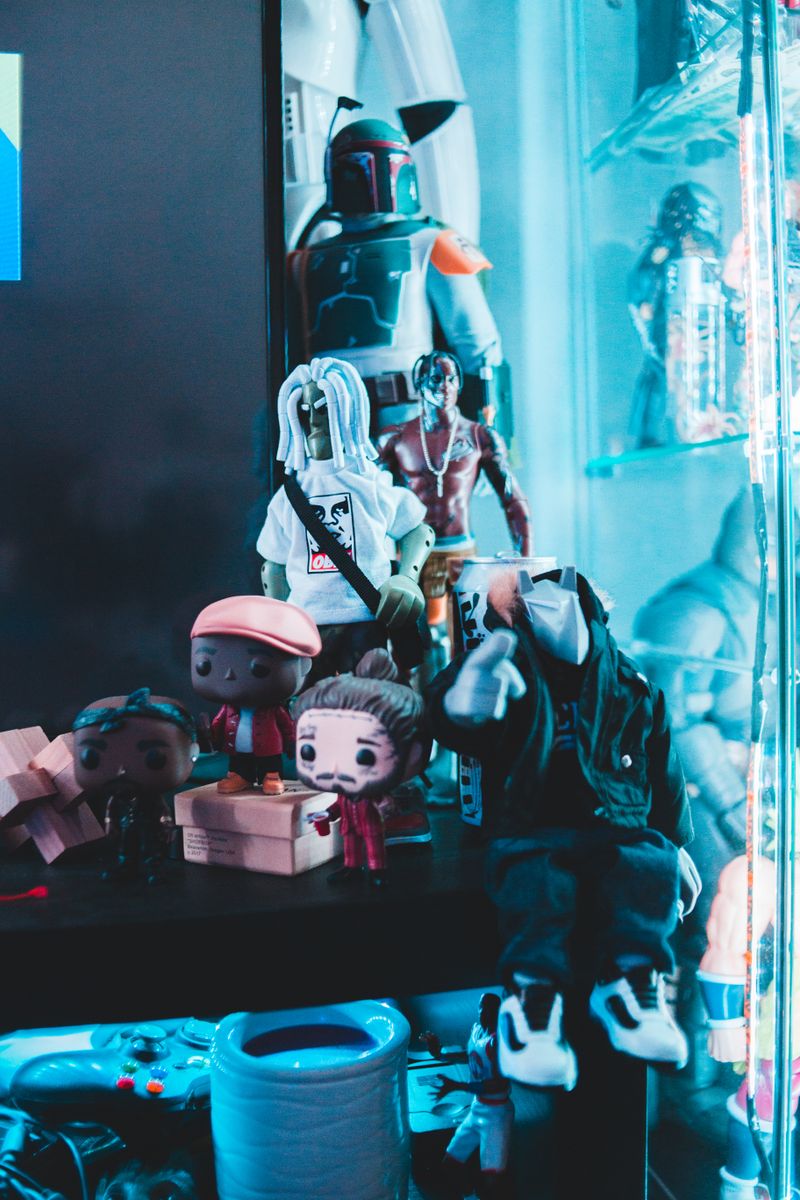
Stage 1: Concept and Character Design
Every designer toy begins as a concept. Artists sketch character ideas from multiple angles, exploring personality, pose, and proportions before committing to a final design. The concept phase defines the emotional core of the figure. A character like Lokiki from the BaiChaoHui Zombie Party universe starts as a drawing that captures mischief and vulnerability in a single expression.
Professional designers create orthographic turnarounds: front, side, back, and three-quarter views. These reference drawings guide every downstream decision, from sculpting to mold engineering. Designers also consider the target audience, material constraints, and whether the figure will be a blind box, open-edition piece, or limited run.
Stage 2: Sculpting the Master Prototype
Sculpting translates flat art into three-dimensional form. Two approaches dominate the industry today.
Traditional clay sculpting uses oil-based clays like Chavant NSP or Monster Clay. The artist builds an armature from wire and foil, then layers clay to establish major forms, refine anatomy, and add surface details. This hands-on method gives sculptors tactile control over texture and expression.
Digital 3D sculpting in ZBrush has become the industry standard for production-grade figures. Digital sculptors can adjust proportions, test variations, and prepare files for 3D printing or CNC machining. The software handles wall thickness, draft angles, and shrinkage compensation automatically, which reduces production errors.
Both methods produce a master prototype. This master becomes the reference for every copy in the production run.
Stage 3: Mold Making
Mold making is where design meets engineering. A two-part silicone mold captures every detail of the master sculpt. The mold must account for parting lines, undercuts, and air vents.
For resin figures, artists use tin-cure or platinum-cure silicone rubber. Tin-cure silicones like Mold Max 30 are affordable and durable for smaller runs. Platinum-cure silicones offer longer library life and better detail reproduction for premium pieces.
For soft vinyl or sofubi figures, the mold is electroformed copper. The copper mold withstands the high temperatures of PVC plastisol slush casting, the process that gives sofubi its signature hollow, tactile feel. Copper mold making is a specialized skill that few factories master.
Stage 4: Casting and Production
Casting turns the mold into finished figures. The material choice determines the casting method:
- Resin: Mixed with a hardener and poured into silicone molds. Smooth-Cast 300 series resins cure in minutes and capture fine detail.
- Soft vinyl (Sofubi): PVC plastisol is poured into heated copper molds and rotated. The vinyl gels against the mold walls, excess material is poured out, and the hollow figure is demolded warm.
- Injection-molded PVC: Used for mass-produced blind boxes. Molten PVC is injected into steel molds at high pressure for consistent, rapid output.
Production volume drives the method. Independent creators like BaiChaoHui often use resin or sofubi for limited editions, while larger brands use injection molding for blind box series sold in the millions.
Stage 5: Finishing, Painting, and Packaging
The final stage is where a figure earns its character. Cast figures are trimmed, sanded, and cleaned. Paint application ranges from simple spray-masked base colors to multi-layer hand-painted details with gradients and special effects.
Pad printing applies precise logos and small graphics. Hand painting handles areas that machines cannot reach, like eyes and facial expressions. Protective clear coats preserve the finish against UV and handling.
Packaging is the last design decision. Blind boxes use sealed foil packets inside printed boxes. Limited editions come in window boxes or custom display cases. The packaging protects the figure and communicates its identity to the collector.
FAQs
Bottom Line
The art toy design process is a collaboration between art and engineering. From the first sketch to the final paint stroke, each stage shapes the figure that ends up on your shelf. For designer toys built with this level of care, explore BaiChaoHui and its Zombie Party character universe.